
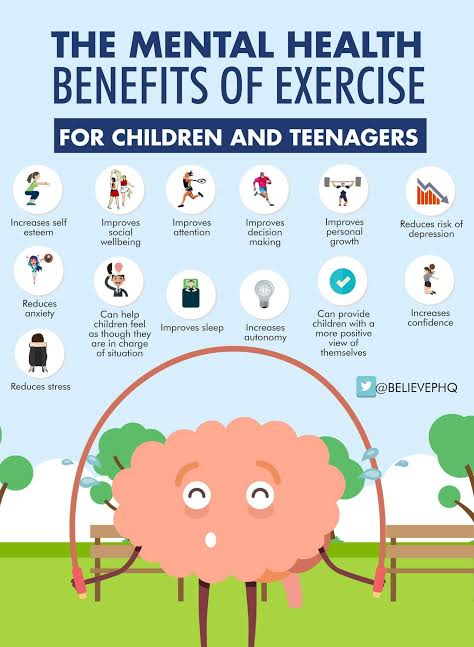
Exercise is often discussed as a way to strengthen the heart, improve fitness or manage weight. But movement also affects how we feel mentally. A walk, a dance class, gardening, swimming or a short home workout can be part of caring for your emotional health.
You do not need to become an athlete to benefit. Consistent, enjoyable movement—even in small amounts—can support mood, sleep, focus and stress management.
A healthier outlet for stress
Stress often shows up physically. You may notice tight shoulders, headaches, restlessness, stomach discomfort or trouble sleeping. Physical activity gives the body a constructive way to release some of that tension.
Movement can help you shift attention away from worries for a while and create a sense of calm afterward. Activities that encourage you to notice your breathing, footsteps or muscles—such as walking, yoga or swimming—can add a mindful element that helps bring your focus back to the present moment.
Exercise and low mood
Regular activity is associated with improvements in symptoms of mild to moderate depression for many people. It may support positive brain changes, improve sleep, provide a sense of achievement and interrupt cycles of negative thinking.
Exercise is not a replacement for professional mental-health care when it is needed. But it can be a valuable part of a broader care plan that may also include therapy, medication, social support and guidance from a healthcare professional.
Support for anxiety and attention
When anxiety is high, the body can feel restless and over-alert. Gentle or moderate activity may help use that nervous energy and leave you feeling more settled. The best choice is often one that feels manageable rather than intimidating.
Exercise may also support concentration, motivation and memory. Some people with ADHD find that regular movement helps them feel more focused and organised. Individual results differ, so it is best viewed as a supportive habit, not a substitute for personalised treatment.
Confidence, connection and better sleep
The mental benefits of exercise are not only chemical. Keeping a promise to yourself—such as taking a ten-minute walk—can build confidence. Learning a new activity or gradually becoming stronger can create a real sense of progress.
Movement can also be social. Walking with a friend, joining a local class or playing a team sport can reduce isolation and create positive connection.
Regular physical activity may also support healthier sleep patterns. Better sleep can, in turn, make it easier to manage mood, energy and daily stress.
Start where you are
The most effective exercise routine is usually the one you can repeat. Start with an activity that suits your fitness level, interests and access. Options can include:
- A short walk outdoors
- Gentle stretching or yoga
- Cycling, dancing or swimming
- Strength exercises at home
- Gardening, housework or active play
- A sport or exercise class with other people
If you are new to exercise, begin with five or ten minutes and increase gradually. Short sessions still count. A few minutes of movement on most days can be a more sustainable starting point than an ambitious plan that feels impossible to maintain.
Make your plan easier to keep
Choose a time and place that fit your life. Put activity on your calendar, lay out comfortable clothes in advance or invite someone to join you. If a routine becomes boring or difficult, change the activity rather than giving up entirely.
People with pain, injury, disability, chronic illness or mobility limitations should ask a healthcare professional about safe ways to be active. Adapted exercises, water-based activity and shorter sessions can make movement more accessible.
A supportive tool, not a cure-all
Exercise can improve mental well-being, but it does not solve every mental-health challenge. If you are experiencing persistent low mood, severe anxiety, trauma symptoms, thoughts of self-harm or difficulty functioning in daily life, contact a qualified mental-health professional or local emergency support.
Movement is one helpful part of looking after your mind. The key is to choose an activity that feels possible today, then allow that small step to grow into a lasting habit.