
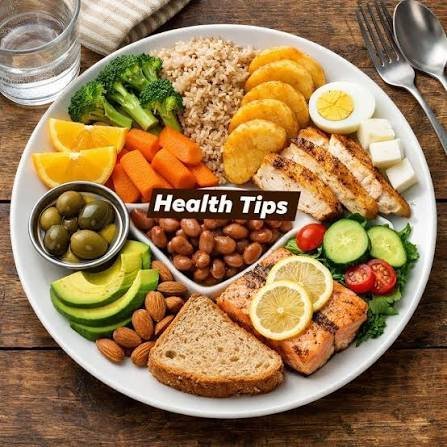
Nutrition is more than simply eating when you feel hungry. It is the way your body receives the energy and nutrients it needs to move, think, recover and stay well. The choices you make most days matter more than one “perfect” meal.
A nourishing diet does not need to be expensive, restrictive or complicated. It starts with eating a variety of foods and giving your body the building blocks it needs.
Your body needs more than calories
Calories provide energy, but nutrition is about much more than energy alone. Foods also contain nutrients that support growth, repair, brain function, immunity, bones, muscles and many other processes.
The body relies on three main nutrients in larger amounts:
- Carbohydrates provide energy for daily activities.
- Protein supports muscles and helps repair body tissues.
- Fats store energy and help the body use certain vitamins.
In addition, vitamins and minerals are needed in smaller amounts but remain essential. Iron helps support healthy blood, calcium contributes to bone health, and vitamins such as A, C, D and B vitamins each have important roles in normal body function.
Water is another essential part of nutrition. It helps transport nutrients, regulate body temperature and support digestion.
Build variety into your meals
No single food can provide every nutrient your body needs. This is why variety is so valuable. Try to include different types of foods across the week, including fruits, vegetables, grains, protein foods and dairy or suitable alternatives.
A practical plate might include vegetables, a carbohydrate source such as roti, rice, oats or millet, and a protein source such as dal, beans, eggs, paneer, yoghurt, fish, chicken, tofu or nuts. This kind of combination can be adapted to vegetarian, non-vegetarian and culturally familiar eating patterns.
Make nutrition workable in real life
Healthy eating should fit your routine. Instead of changing everything at once, choose simple improvements:
- Add one fruit or vegetable to a meal you already eat.
- Replace highly refined grains with whole-grain choices more often.
- Include a protein source at breakfast, lunch and dinner.
- Keep water available through the day.
- Choose home-cooked, minimally processed foods when practical.
- Plan a few easy meals and snacks before busy days.
These small habits can make healthy choices easier to repeat
When health conditions make nutrition harder
Sometimes, eating well is not simply a matter of food choice. Certain medical conditions can affect appetite, swallowing, digestion or the body’s ability to use nutrients.
For example, some people living with cancer may lose weight and muscle because their body requires more energy than they can comfortably eat. Depression can reduce motivation to shop, cook or eat regular meals. Swallowing difficulties may limit which foods are safe or comfortable to eat, while digestive or absorption disorders can prevent the body from taking in enough nutrients from food.
When the body does not receive enough carbohydrates, fats or protein, it may lack the energy and materials needed to maintain healthy tissues. Deficiencies in vitamins and minerals can cause separate problems; low iron, for instance, may contribute to iron-deficiency anaemia.
These concerns should be assessed by a healthcare professional or registered dietitian. Personalised support can help make food safer, easier to eat and better matched to a person’s health needs.
.
Nutrition changes throughout life
Food needs are not identical for every person. Children need nutrients to support growth, adults may need to balance work, activity and family routines, and older adults may need to pay closer attention to nutrients that support bone and muscle health.
Health conditions, medicines, appetite changes, food allergies and digestive concerns can also affect nutrition. For this reason, general wellness advice should be adjusted when someone has specific medical needs.
Progress matters more than perfection
Good nutrition is not about banning every treat or following a trend. It is about creating an eating pattern that is balanced, enjoyable and realistic enough to maintain. A nutritious diet can support overall health, energy and recovery, but it works best alongside regular movement, adequate sleep and appropriate medical care.
If you have a medical condition, unexplained weight changes, difficulty eating or concerns about nutrient deficiencies, speak with a doctor or registered dietitian for personalised advice.