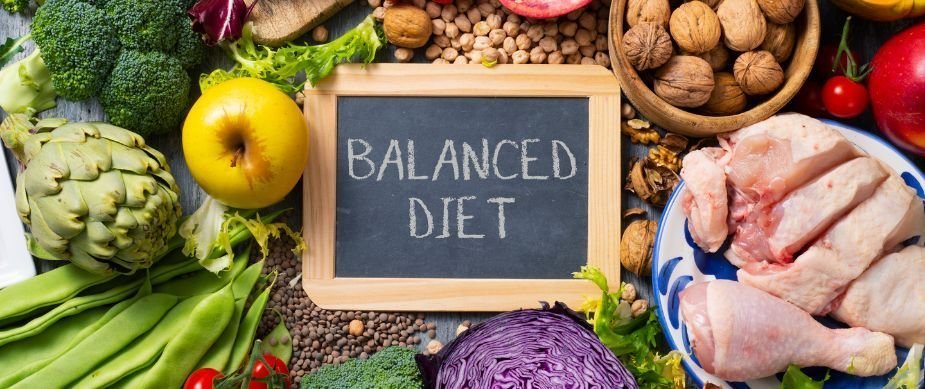
Eating well does not have to mean following a strict diet, avoiding every favourite food or buying expensive “health” products. A balanced diet is simply a way of eating that gives your body a variety of nutrients over time.
The focus is not on creating a perfect meal at every sitting. It is about building a pattern that includes colourful produce, satisfying carbohydrates, protein-rich foods, healthy fats and enough fluids.
What does a balanced diet look like?
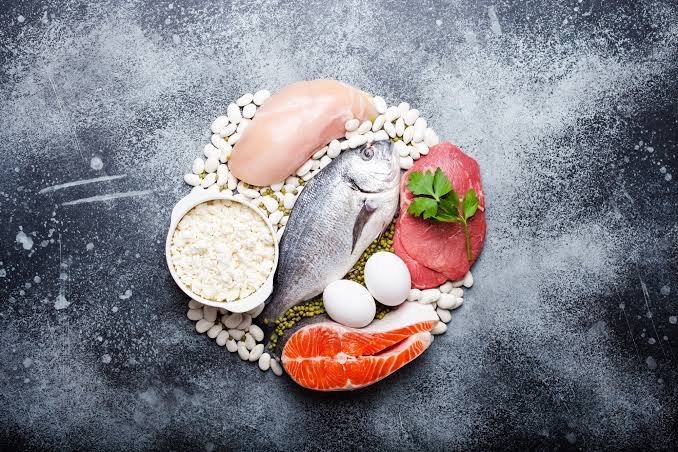
A useful way to plan a meal is to think in sections instead of counting every calorie. Fill a large part of your plate with vegetables and fruit. Add a serving of whole grains or other fibre-rich carbohydrates, such as roti, brown rice, oats, millets or potatoes. Complete the meal with protein from foods such as dal, beans, curd, eggs, paneer, fish, chicken, tofu or soy.
Healthy fats also have a place in everyday eating. Nuts, seeds, groundnut, avocado and oils such as mustard, olive or groundnut oil can add flavour and nutrition when used sensibly.
Why variety matters
No single food supplies everything the body needs. Fruits and vegetables offer vitamins, minerals and fibre. Carbohydrates provide energy for the brain and body. Protein helps maintain and repair tissues, while fats support several essential body functions.
Eating a mix of foods also makes meals more enjoyable and sustainable. Rather than removing an entire food group, aim to choose less-refined and minimally processed options more often.
Balanced meals can include familiar Indian foods
Healthy eating does not need to look foreign or complicated. Everyday home-cooked meals can be highly nourishing.
For breakfast, options may include vegetable poha with curd, oats with fruit and nuts, moong-dal chilla, eggs with whole-grain toast, or idli with sambar.
For lunch or dinner, try combining roti or rice with dal, beans, vegetables and salad. Rajma with rice and vegetables, chole with roti, fish curry with rice, or tofu with mixed vegetables are all examples of meals that can be adapted to individual preferences.
Small habits make a difference
Balanced eating is easier when it fits your routine. Keep fruit, roasted chana, yoghurt or nuts available for simple snacks. Include vegetables in meals you already enjoy. Choose water regularly throughout the day and limit highly processed foods, sugary drinks and excess packaged snacks.
Portion size matters, but extreme restriction is rarely sustainable. Eat slowly, notice your hunger and fullness, and aim for consistency instead of perfection.
Make it personal
A balanced diet will not look exactly the same for everyone. Age, activity level, medical conditions, allergies, culture, budget and personal preference all influence food choices. A vegetarian diet can be balanced, as can a diet that includes animal foods.
If you are managing diabetes, kidney disease, digestive concerns, pregnancy or another health condition, seek advice from a qualified doctor or registered dietitian before making significant dietary changes.
A better diet begins with one practical step: add something nourishing to your next meal, then build from there.
This article is for general education and does not replace personalised medical or nutrition advice.