India offers every kind of travel experience—from peaceful islands and historic cities to mountain valleys, wildlife areas, luxury trains, and high-altitude adventures. This list is especially suited to solo travelers, backpackers, and anyone who enjoys travelling slowly without spending excessively.
Before finalizing a trip, check current weather, transport, accommodation prices, permits, and official travel guidance, as these can change.
1. Alleppey, Kerala
Alleppey, also known as Alappuzha, is famous for Kerala’s beautiful backwaters. Its network of canals, lakes, and lagoons offers a peaceful view of village life, coconut trees, birds, and water-based transport.
A private houseboat stay is the classic experience, but it can be costly for solo travelers. Sharing one with other travelers is a practical way to lower the cost. For a much cheaper alternative, take a local ferry through the backwaters.
Travel tips:
- January to March is generally a comfortable time to visit; monsoon can be quieter and less expensive.
- Kochi is the nearest major airport and railway hub.
- From Kochi, buses and local trains connect to Alleppey.
- Explore in the early morning or evening to avoid the strongest heat.
- Check houseboat prices at several operators before booking.
2. Bodoland, Assam
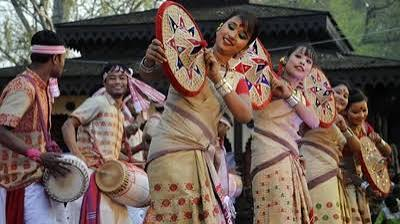
Bodoland is an emerging destination in Assam, known for Bodo culture, green landscapes, village experiences, and access to Manas National Park. It offers a quieter side of Northeast India for travelers who want nature and local culture rather than crowded tourist spots.
Manas National Park is a major highlight, with wildlife and scenic surroundings. The region also lies near Bhutan, making it possible to explore border areas where permitted.
Travel tips:
- Guwahati is the usual starting point for reaching Bodoland by air or train.
- Hiring a car is often the easiest way to explore because public transport can be limited.
- Winter, particularly around the New Year period, is pleasant for travel and may coincide with local festivals.
- Plan at least three days to see villages, cultural sites, and Manas National Park.
- Respect local customs and use local guides where available.
3. Kochi, Kerala

Kochi is ideal for travelers interested in colonial history, heritage buildings, street photography, cafés, art, and coastal food. Fort Kochi is the main area for visitors, with old churches, heritage streets, galleries, cafés, and the well-known Chinese fishing nets.
It is also a popular backpacking destination, with accommodation options ranging from budget hostels to stylish boutique hotels.
Travel tips:
- Visit Fort Kochi rather than focusing only on modern Ernakulam.
- January to March is popular, while monsoon can mean fewer domestic tourists.
- Kerala remains warm and humid even outside summer, so bring sun protection.
- Explore Princess Street, Mattancherry Palace, St. Francis Church, Paradesi Synagogue, and the waterfront.
- Kochi has good flight connections from many Indian cities
.
4. Kasauli, Himachal Pradesh
Kasauli is a small hill town near Chandigarh and a convenient choice for a short break. It is known for calm roads, colonial-era buildings, forest walks, viewpoints, and a slower pace than larger Himalayan destinations.
Its old-world atmosphere and cool evenings make it particularly appealing during warmer months.
Travel tips:
- Early morning and sunset are excellent times for Gilbert Trail and Sunset Point.
- Stay near the main market if you want cafés, viewpoints, and walking routes nearby.
- Carry a light jacket, as evenings can become cool even in summer.
- Avoid weekends if possible, since the town becomes busy and parking is limited.
- Treat it as a relaxed getaway rather than a destination packed with activities.
5. Majuli Island, Assam

Majuli is a large river island on the Brahmaputra River and one of Assam’s most peaceful destinations. It is a place to slow down, cycle through villages, stay in a bamboo hut, and experience the region’s culture and monasteries.
Majuli is not about rushing from one attraction to another. Its appeal lies in its rural setting, open landscapes, local traditions, and calm rhythm of life.
Travel tips:
- Reach Majuli via Jorhat and then take a ferry.
- Guwahati and Dibrugarh are common arrival points for travelers flying into Assam.
- Winter is usually the most comfortable season.
- Carry essential toiletries and personal items, as shopping options are limited on the island.
- Budget stays, satras, homestays, and bamboo huts may be available.
- Check ferry schedules in advance, especially during bad weather.
6. Pabbar Valley, Himachal Pradesh

Pabbar Valley is a lesser-known Himalayan destination for travelers who prefer quiet mountains, village life, and scenic drives. Chanshal Pass is the area’s biggest attraction, offering high-altitude views and snow during the colder months.
Compared with more famous Himachal destinations, this valley feels less commercial and less crowded.
Travel tips:
- Public buses can reach the region, though you may need to change vehicles several times.
- From Delhi, travelers can reach Rohru and continue toward Chirgaon and Larot.
- Driving is more convenient if you are comfortable with mountain roads.
- Snow is possible from December to March, depending on conditions.
- Carry cash, as ATM access may be limited beyond larger towns.
- Accommodation is basic, including guesthouses and small hostels.
- Travel with patience and respect the area as a rural mountain region.
7. Shillong, Meghalaya
Shillong combines pleasant weather, green hills, local food, music, markets, and easy access to other parts of Meghalaya. It works well as a base for road trips to waterfalls, villages, caves, and scenic viewpoints.
The city itself has enough to explore, while many of Meghalaya’s attractions are only a few hours away by road.
Travel tips:
- Fly or take a train to Guwahati, then continue to Shillong by bus, taxi, or shared vehicle.
- Shared taxis are common for travel within the city.
- For longer trips around Meghalaya, consider hiring a car or motorcycle.
- Monsoon makes the landscape lush but can affect sightseeing and road travel.
- Visit viewpoints, Ward’s Lake, Elephant Falls, Smit Village, and Iewduh Market.
- Meghalaya does not generally require an Inner Line Permit for domestic visitors, but always confirm current rules.
8. The Golden Chariot

The Golden Chariot is a luxury train journey through South India. It is more than transport—it is a high-end travel experience that combines heritage destinations, guided sightseeing, dining, accommodation, and onboard facilities.
Different routes cover places across Karnataka, Tamil Nadu, Kerala, and Goa. Depending on the itinerary, destinations may include Mysuru, Bandipur, Chikkamagaluru, Puducherry, Madurai, and Alleppey.
Travel tips:
- Most journeys begin and end in Bengaluru.
- Packages generally include accommodation, meals, transport, and planned excursions.
- The train usually travels overnight and offers sightseeing during the day.
- This experience is designed for luxury travelers and can be expensive.
- Prices vary by route, season, nationality, and room category.
- Check the latest itinerary and inclusions directly with the official operator before booking.
9. Udaipur, Rajasthan
Udaipur is one of India’s most romantic and visually striking cities. Its lakes, palaces, historic lanes, rooftop restaurants, and heritage hotels make it suitable for couples, families, solo travelers, and photographers.
From luxury lake-view properties to affordable hostels, the city provides choices for many budgets.
Travel tips:
- Winter is the most comfortable season, but it is also the busiest and most expensive.
- Summer can be extremely hot, so avoid it if possible.
- Udaipur can be reached by train, bus, or flight.
- Visit Lake Pichola, City Palace, Taj Lake Palace views, and the old city.
- Budget travelers will find several hostels and inexpensive guesthouses.
- Book early during holidays and winter weekends.
10. Valley of Flowers, Uttarakhand
The Valley of Flowers is one of India’s most remarkable Himalayan landscapes. During the flowering season, the high-altitude valley becomes covered with a wide variety of alpine flowers.
Reaching it requires effort, including a long road journey and a trek, but the scenery makes it worthwhile for travelers who enjoy mountains and nature.
Travel tips:
- The trek begins from the Govindghat area, with Ghangaria serving as the main overnight stop.
- Many travelers combine the Valley of Flowers trek with Hemkund Sahib.
- The park is open only during a limited seasonal period, usually around the monsoon months.
- Mid-July to mid-August is often considered a good time for flowers, but conditions vary each year.
- Carry waterproof clothing, sturdy shoes, warm layers, and basic medicines.
- Start walking early and avoid trekking after dark.
- Confirm entry timings, permits, and fees before you travel.
11. Zanskar, Ladakh
Zanskar is one of the most remote and adventurous regions in Ladakh. It is known for dramatic mountain scenery, traditional villages, Buddhist culture, monasteries, and difficult high-altitude roads.
It is a destination for travelers who are comfortable with limited services and unpredictable mountain conditions. Phuktal Monastery and Padum are among the notable places in the region.
Travel tips:
- Road access is usually possible only during the warmer months.
- Routes commonly connect Kargil and Keylong through the Zanskar region.
- A road trip generally requires at least four days.
- Mobile connectivity, electricity, ATMs, and fuel options can be limited.
- Padum is the main town for supplies and fuel.
- Expect simple homestays, dry toilets, and basic facilities.
- In winter, road travel may not be possible; the region is associated with the frozen Zanskar River and the Chadar Trek.
- Prepare for altitude, cold weather, long travel days, and a more rugged experience than a comfortable holiday.