
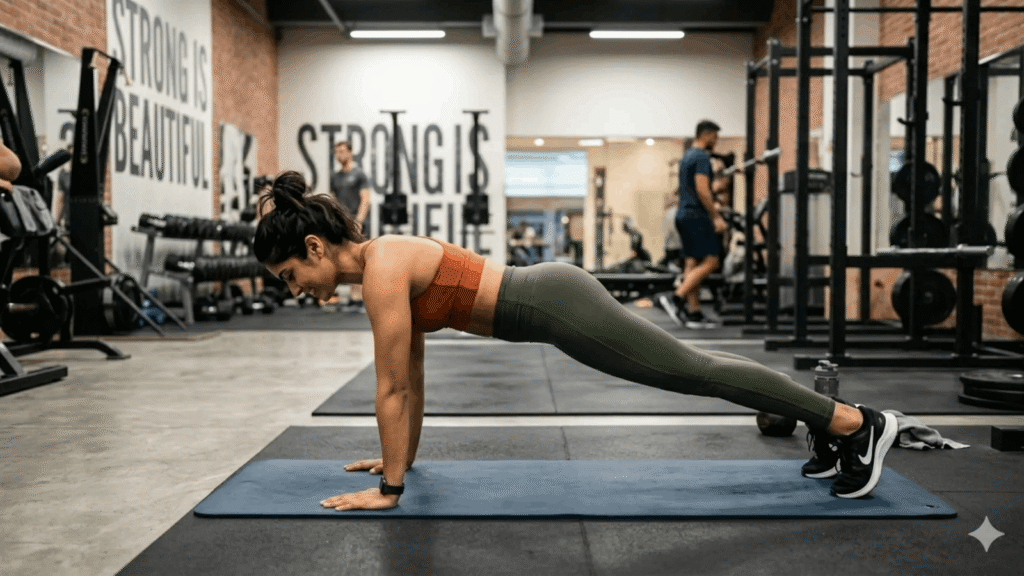
Long working hours, prolonged screen time and a sedentary lifestyle can gradually affect body posture. Spending most of the day sitting in front of a computer may contribute to rounded shoulders, a forward-leaning head and discomfort in the neck, shoulders and lower back.
Poor posture can also make the body feel stiff and tired. The good news is that a few simple exercises can help strengthen supporting muscles, improve flexibility and encourage better body alignment.
Here are eight exercises that can help counter the effects of prolonged sitting and support healthier posture.
1. Cat-Cow Stretch for Spinal Flexibility
gentle movement that improves spinal mobility and helps reduce stiffness.
How to do it:
- Begin on your hands and knees.
- Slowly round your back towards the ceiling.
- Lower your abdomen while lifting your chest and tailbone.
- Alternate between the two positions slowly.
Practising this movement regularly can help improve awareness of spinal alignment.
2. Wall Angels to Improve Shoulder Position
Sitting for extended periods can encourage the shoulders to roll forward. Wall angels help activate the upper-back muscles and improve shoulder mobility.
How to do it:
- Stand with your back against a wall.
- Bend your elbows and position your arms like a goalpost.
- Slowly raise and lower your arms.
- Keep your shoulders relaxed and avoid arching your lower back.
3. Glute Bridges for Lower-Body Support
The glute muscles support pelvic stability and help maintain proper movement around the hips and lower back. Glute bridges strengthen these muscles.
How to do it:
- Lie on your back with your knees bent.
- Keep your feet flat on the floor.
- Tighten your abdominal and glute muscles.
- Lift your hips gently, pause briefly and lower them.
Avoid pushing your hips too high or arching your back.
4. Bird-Dog Exercise for Core Stability
The Bird-Dog exercise targets the core, back and hip muscles. These muscles help stabilise the body and support better posture.
How to do it:
- Start on your hands and knees.
- Extend your right arm and left leg simultaneously.
- Hold briefly while keeping your hips level.
- Return to the starting position and switch sides.
Move slowly and avoid twisting your body.
5. Chin Tucks to Address Forward-Head Posture
Looking down at phones and laptops for extended periods can encourage the head to move forward. Chin tucks gently activate the muscles around the neck.
How to do it:
- Sit or stand upright.
- Gently draw your chin backwards.
- Keep your eyes facing forward.
- Hold for a few seconds before relaxing.
Do not force the movement or bend your head down.
6. Plank for Stronger Core Muscles
A strong core helps support the spine and maintain body stability. Planks activate the abdominal muscles and several other muscle groups.
How to do it:
- Place your forearms on the floor.
- Extend your legs behind you.
- Keep your body in a straight line.
- Tighten your abdomen and hold the position.
Beginners can start with shorter holds and gradually increase the duration.
7. Chest Stretch to Reduce Rounded Shoulders
Tight chest muscles can contribute to rounded shoulders. A doorway stretch helps improve flexibility across the chest.
How to do it:
- Stand near an open doorway.
- Place your forearms against the doorframe.
- Gently step forward until you feel a comfortable stretch.
- Hold the position without bouncing.
This stretch can be useful after long periods of computer work.
8. Superman Exercise to Strengthen Back Muscles
The Superman exercise works the muscles along the back and helps develop strength needed for maintaining an upright posture.
How to do it:
- Lie face down with your arms extended forward.
- Gently lift your arms, chest and legs slightly off the floor.
- Keep your neck in a neutral position.
- Hold briefly and lower slowly.
Avoid lifting too high or straining your lower back.
Everyday Habits That Can Help Improve Posture
Exercise is important, but daily habits also influence how the body feels after long working hours.
A few simple changes can make a difference:
- Take short movement breaks throughout the workday.
- Keep your computer screen close to eye level.
- Sit with your feet supported on the floor.
- Avoid continuously leaning towards your screen.
- Walk regularly instead of remaining seated for several hours.
- Include gentle stretching in your daily routine.
Final Takeaway
Improving posture does not necessarily require complicated workouts or expensive equipment. Simple movements such as Cat-Cow stretches, wall angels, glute bridges and planks can help strengthen supporting muscles and improve flexibility.
Consistency matters more than intensity. Start gently, maintain comfortable movement and gradually build your routine. If you experience persistent pain, numbness or tingling, consult a qualified healthcare professional before continuing an exercise programme.